Can’t find what you’re looking for? We stock more than what’s available online, please give us a call on 01904 608157 or use the live chat and we’ll be happy to help.

Water-Soluble Fertilisers

(Showing 21 of 21)

Frequently Asked Questions

Got a question? If you don’t see your question here, please get in touch using our contact form

<p>Water-soluble fertiliser is supplied as a dry powder or granule that is dissolved in water before use. <a href="https://eastridinghorticulture.co.uk/fertilisers-plant-health/turf-lawn-fertilisers/liquid-lawn-fertilisers/">Liquid fertiliser</a> is already in liquid form and is usually diluted before application, depending on the product instructions.</p> <p>Both can deliver nutrients quickly, but water-soluble fertilisers are often chosen when accurate mixing and controlled feeding are important. They can be useful for professional-style feeding programmes, where the user wants flexibility around concentration, timing and application method.</p> <p>Liquid fertilisers can be convenient because they are pre-formulated in liquid form, while water-soluble options may offer more control for experienced gardeners, landscapers and growers. Always follow the product label for mixing rates, dilution and safe use.</p>

How often you use water-soluble fertiliser depends on the plant, crop, growing conditions, time of year and the specific product being used. Some plants may benefit from regular feeding during active growth, while others may only need occasional support. As a general guide, water-soluble fertilisers are most commonly used during the growing season, when plants are actively taking up nutrients. Avoid overfeeding, as applying too much fertiliser can stress plants, damage growth or waste product. For the best results, follow the label instructions for the chosen fertiliser and adjust your feeding routine based on plant response, weather and soil or growing media conditions. If you are unsure, it is always worth asking for product-specific advice before application.

<p>Many water-soluble fertilisers can be used through suitable irrigation or fertigation systems, but this depends on the product formulation and the <a href="https://eastridinghorticulture.co.uk/equipment/">equipment</a> being used.</p> <p>Before applying through an <a href="https://eastridinghorticulture.co.uk/equipment/irrigation-water-management/">irrigation system</a>, check that the fertiliser is fully soluble and suitable for this type of use. It is also important to mix the product correctly, avoid blockages, and make sure the system is calibrated so plants receive an even and appropriate feed.</p> <p>Always refer to the product label and technical information before use, especially when applying through professional or semi-professional equipment. East Riding Horticulture&rsquo;s approach should give customers access to professional-grade products with clear, practical guidance, helping them use technical products confidently and correctly.</p>

<p>A water-soluble fertiliser is a feed that is dissolved in water before application. It is often used where nutrients need to be applied evenly through <a href="https://eastridinghorticulture.co.uk/equipment/watering-hoses/">watering systems</a>, <a href="https://eastridinghorticulture.co.uk/equipment/sprayers-accessories/">sprayers</a> or liquid feeding programmes.</p>

Water-soluble fertilisers usually need more frequent application than slow-release products. They also need careful mixing and measuring, as overapplication can damage plants or cause nutrient waste.

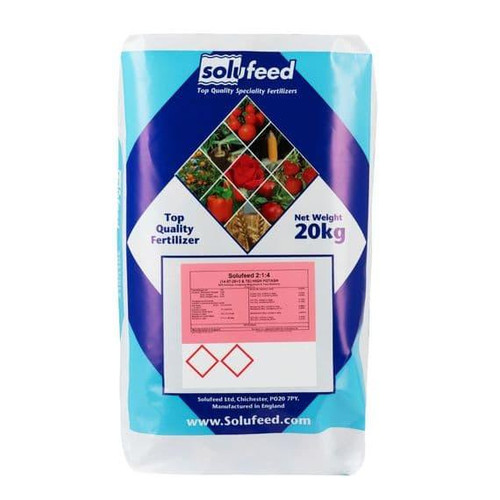
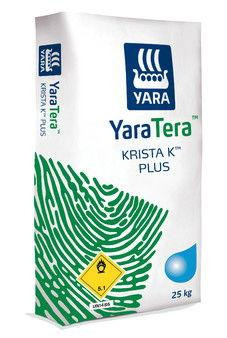
<p>The best water-soluble fertiliser depends on your plant type, growth stage and nutrient need. <a href="https://eastridinghorticulture.co.uk/solufeed-1-1-1-balanced-water-soluble-fertiliser-20-kg/">Solufeed 1:1:1 Balanced Water Soluble Fertiliser</a> is a strong all-round option, while <a href="https://eastridinghorticulture.co.uk/yara/">Yara</a>Tera KRISTA products can support more targeted nutrient programmes.</p>

Water-soluble fertiliser can be applied to soil once it has been diluted in water. Always follow the product instructions, as applying it too strongly or too often can damage roots.

October is not always too late to fertilise, but the right feed depends on the plant and conditions. Avoid high-nitrogen fertilisers that encourage soft growth, and choose an autumn-appropriate feed where needed.

Some plants prefer low-nutrient conditions and can suffer if overfed, including many wildflowers, Mediterranean herbs and native meadow plants. Always match the feed to the plant type, soil and season.