Can’t find what you’re looking for? We stock more than what’s available online, please give us a call on 01904 608157 or use the live chat and we’ll be happy to help.

Moss Peat Compost

(Showing 7 of 7)

Some growing jobs still call for peat-based materials. When moisture control really matters, moss peat compost holds water evenly, supporting reliable propagation and consistent root development in controlled growing environments.

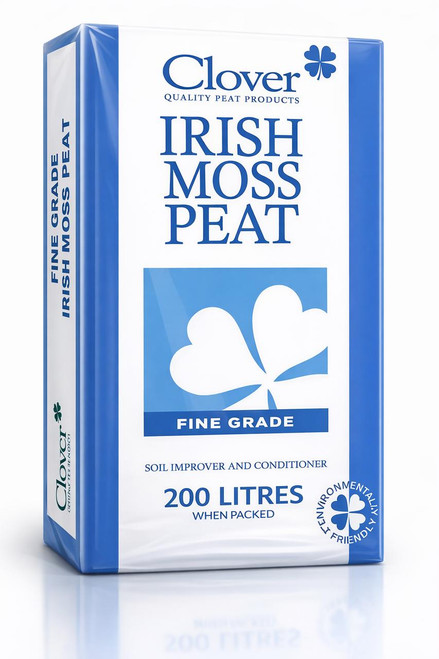
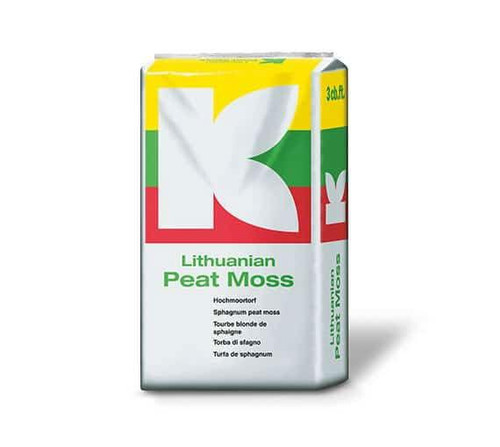
We supply established brands including Clover's Irish moss peat compost, Klasmann, and Levington Advance, selected as part of our horticultural range for experienced gardeners who understand when peat is the right tool for the job.

Mix and match these peat moss composts with barks, soil conditioners and grow bags (minimum 12 bags). Nationwide delivery available or visit our East Yorkshire yard. If you’d like advice before ordering, our expert team can help.

Frequently Asked Questions

Got a question? If you don’t see your question here, please get in touch using our contact form

Peat moss is a natural growing media ingredient valued for its light structure, moisture retention and acidic nature. Peat-free compost is made from alternative materials such as bark, coir, wood fibre or green compost. Both can be useful, but they perform differently, so the best choice depends on the plant, growing conditions and how the product will be used.

Peat moss is often chosen where a consistent, lightweight and moisture-retentive growing medium is needed. It can be especially useful for acid-loving plants, seed sowing mixes, propagation and improving moisture retention in light soils. Peat-free compost can also work well, but it may vary more depending on the ingredients used.

<p>Peat moss is still available for some horticultural uses in the UK, although <a href="https://eastridinghorticulture.co.uk/compost-soil-mulches/peat-free-compost/">peat-free compost</a> alternatives are becoming more common. When choosing between peat moss and peat-free compost, it is important to consider the plant&rsquo;s needs, the growing conditions and the result you want to achieve.</p>

Peat moss is not the same as compost. Peat moss is naturally low in nutrients and is mainly used to improve structure, moisture retention and acidity. Compost usually contains more nutrients and organic matter, making it more suitable as a general soil improver or growing medium.

Acid-loving plants such as rhododendrons, azaleas, camellias and blueberries can benefit from acidic, moisture-retentive growing media. Peat moss can also be useful where a fine, light and consistent medium is needed for seed sowing, propagation or specialist growing mixes.

Peat moss can be mixed into garden soil to help improve moisture retention and structure, especially in light or sandy soils. Because it is naturally low in nutrients, it may need to be used alongside fertiliser, compost or another feed source depending on the plants being grown.