
Hugh’s Guide to the Best Conifers
Published by Som Thaentong on 22nd Dec 2025
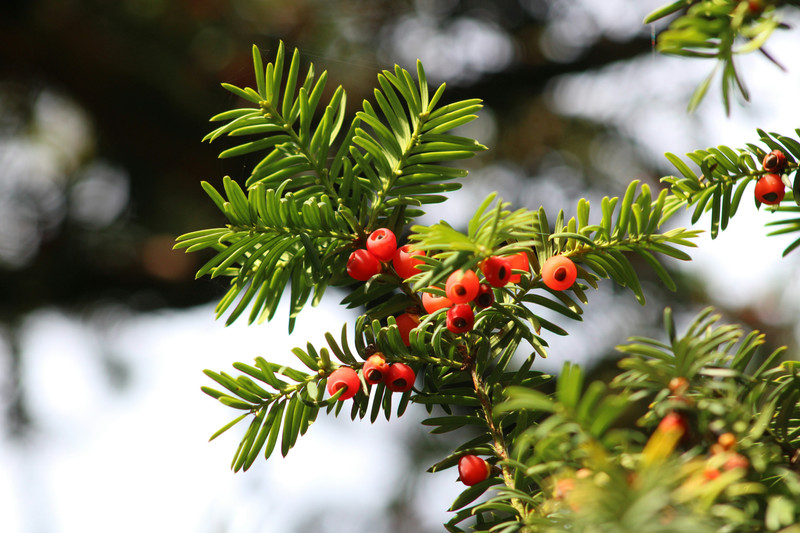
Hugh Barlow, Head of Commercial here at East Riding Horticulture, discusses the best conifers, why people grow them, how different conifers work in different gardens, and how to care for conifer trees.
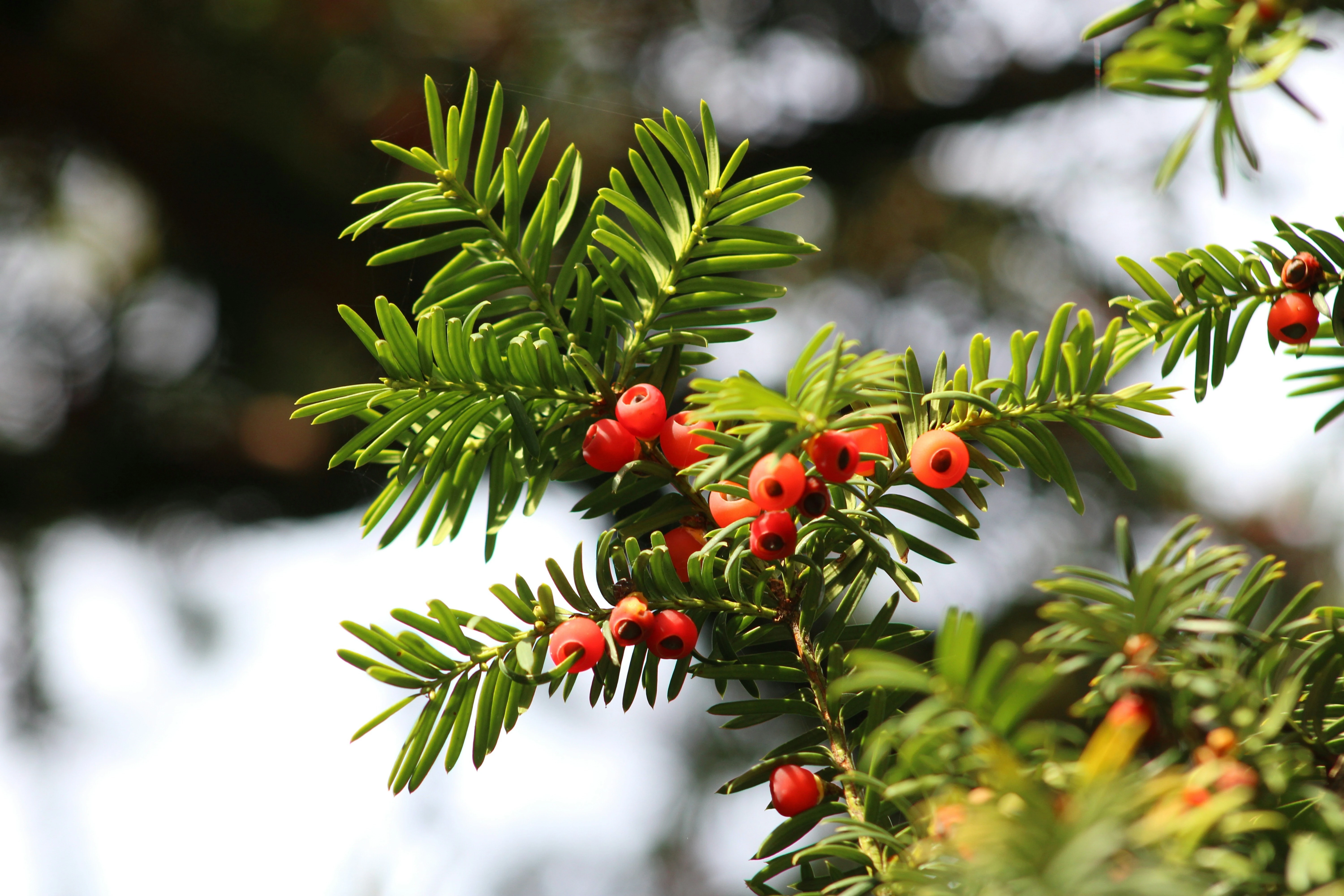
Benefits of Growing Conifer Trees
Conifers are some of the most valuable plants we can use in UK gardens. As evergreens, they bring year-round structure, colour and shelter when much of the garden is sleeping, and many are naturally suited to wind, cold and leaner soils.
That resilience makes them excellent for screening, windbreaks, noise reduction and wildlife cover. Just as importantly, conifers are wonderfully diverse in form, from tall columns and softly domed shapes to compact dwarfs and spreading groundcovers.
They provide a calm, architectural backbone through every season and help planting schemes look intentional all year.
In short, when the right conifer is matched to the space available, it offers an enduring blend of beauty and practicality. It can quietly anchor the garden, enhance privacy and comfort, and keep the space looking lush and alive even in midwinter.
How Do Different Conifers Work in Different Situations?
Conifers are the Swiss Army knife of UK planting, as long as you match their habit, growth rate and eventual size to the available space.
Thujas make quick, soft privacy screens, while yew is the class act for crisp hedging and topiary, happily clipping back year after year.
In exposed or coastal gardens, pines and junipers earn their keep as porous windbreaks. Tough, low-growing varieties such as Pinus mugo and prostrate junipers can also thrive in sandy, salt-tinged corners.
Small plots suit slim, columnar forms that provide height without excessive bulk, as well as dwarf varieties for patios and containers. Gravel gardens, banks and dry slopes are best brought together with spreading junipers and creeping cypresses.
Add a blue- or gold-needled cultivar for light and contrast. Remember that most conifers prefer free-draining soil, and you will have evergreen structure that holds the garden together in every season.
Best Conifers for Different Garden Situations
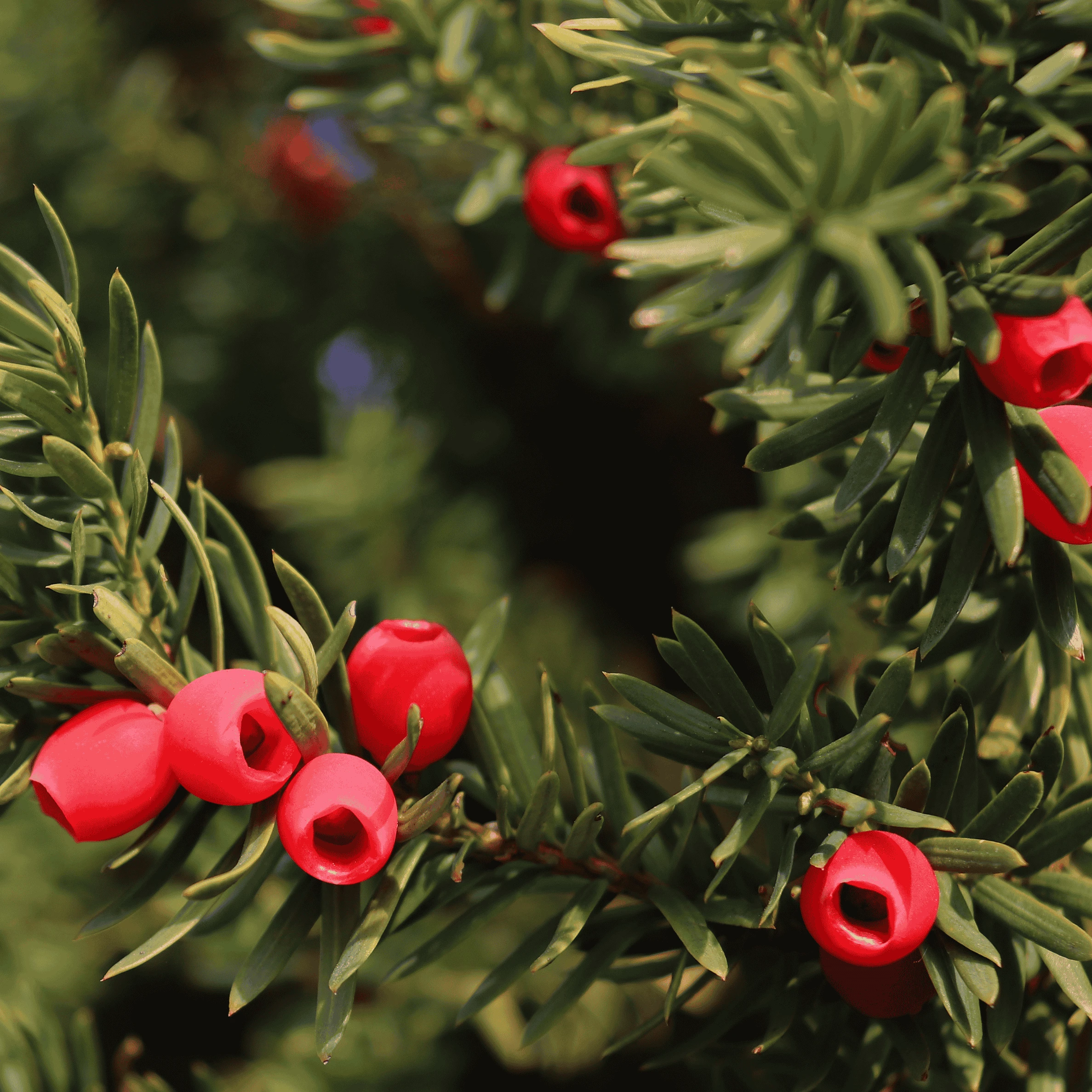
Yew (Taxus baccata)
UK native and ideal for enduring structure, hedging and topiary.
Yew is my first choice for long-term structure. It is dense, richly green and exceptionally long-lived, giving a garden instant gravitas and a dependable evergreen framework.
Unlike most conifers, it will regenerate from old wood, so it is forgiving to clip and reshape. This makes it invaluable for crisp hedges and topiary.
It also tolerates shade and a broad range of soils, provided they are not waterlogged, earning its reputation as one of the most versatile evergreens for British gardens.
Scots Pine (Pinus sylvestris)
UK native and ideal for naturalistic height and specimen character.
Scots pine brings height and character with a lighter, airier presence than many evergreens. It is ideal as a specimen tree, particularly in free-draining or sandy soils, and suits gardens aiming for a more natural woodland feel.
Its warm-toned bark and open canopy add winter beauty, while its ecological value for wildlife is another important benefit.
Thuja and Western Red Cedar Types (Thuja plicata Cultivars)
Non-native and one of the best choices for screening.
For dependable privacy and shelter, Thuja is hard to beat. It forms a dense evergreen screen, clips well and is a strong alternative to leylandii if you want fast results with a slightly more controlled growth habit.
In UK conditions, it is reliable, wind-tolerant and capable of quickly transforming boundaries or helping to create separate garden rooms.
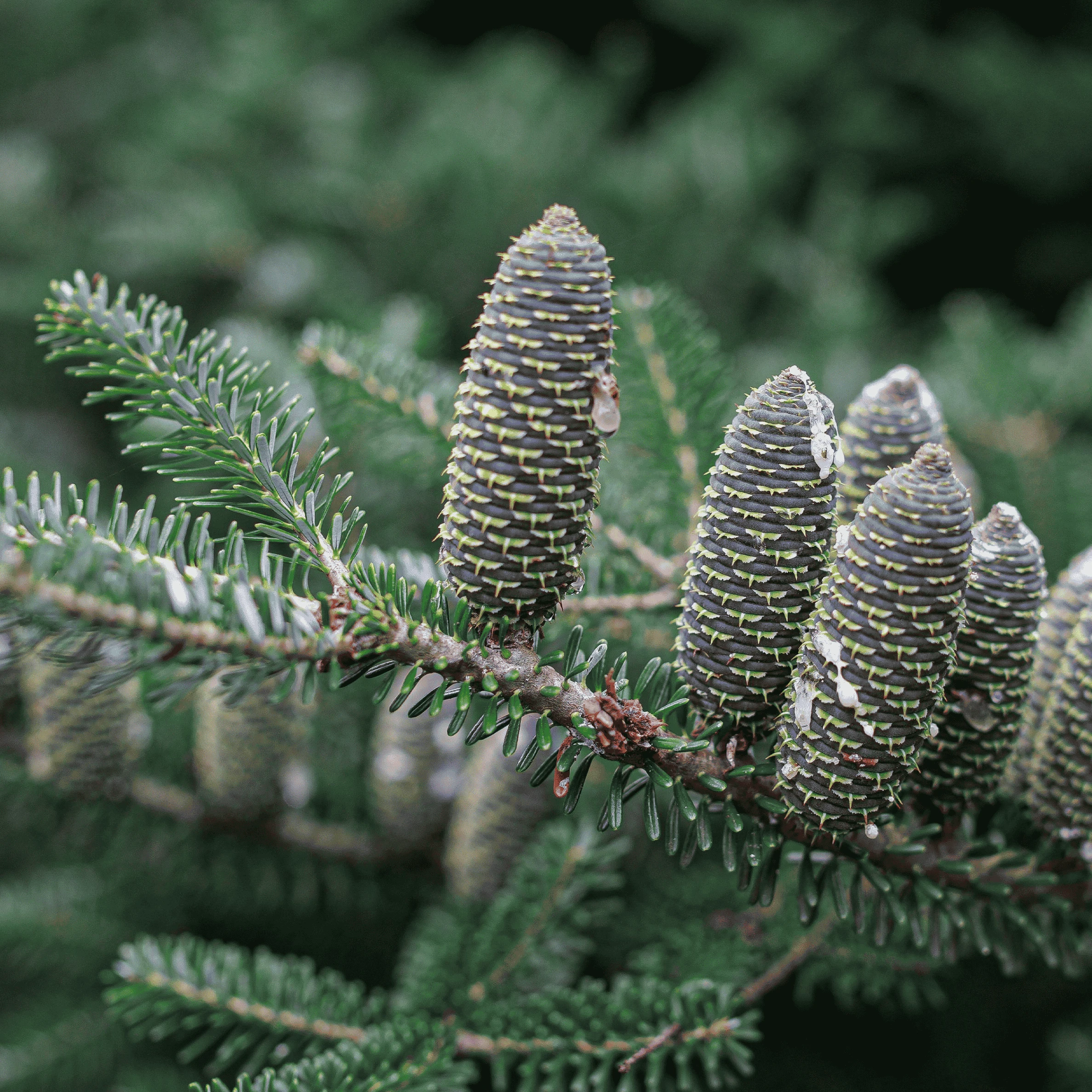
Korean Fir (Abies koreana)
Non-native, but an excellent compact ornamental conifer for UK gardens.
Korean fir is one of the best compact specimen conifers for UK gardens. It stays neat and slow-growing, has deep green needles with silvery undersides, and produces striking blue-purple cones even when young.
Planted near a terrace or at the heart of a border, it creates a refined, collected appearance without ever feeling overpowering.
Dwarf Deodar Cedar ‘Feelin’ Blue’ (Cedrus deodara ‘Feelin’ Blue’)
A non-native, designer groundcover conifer.
This is a conifer for anyone who loves texture and movement. ‘Feelin’ Blue’ forms a low, weeping cascade of blue-green needles that can drape over rocks, spill from raised beds or soften the edge of a wall.
Slow-growing and compact, it is perfect for gravel gardens, slopes and contemporary planting schemes where you want evergreen flow rather than a solid block of foliage.
Together, these varieties cover formal hedging with yew, fast screening with Thuja, large specimen planting and naturalism with Scots pine, compact ornamental interest with Korean fir, and ground-level structure for dry sites with ‘Feelin’ Blue’.
That is essentially the full conifer toolkit for UK gardens, without unnecessary overlap.
Common Juniper (Juniperus communis)
A UK-native option for wildlife-friendly gardens.
If the emphasis shifts towards wildlife, the one adjustment I would make is to replace the dwarf deodar cedar ‘Feelin’ Blue’ with our native common juniper.
‘Feelin’ Blue’ is beautiful for gravel gardens and slopes, but juniper offers far greater ecological value. It provides dense, prickly shelter for nesting and roosting, as well as berry-like cones that feed birds through autumn and winter.
This means the planting scheme keeps its architectural range while gaining a true native habitat plant at ground and shrub level.
Native juniper is a tough, elegant shrub that earns its place in smaller gardens and wilder planting schemes. It thrives in dry, sunny sites and poorer soils, adds fine texture to borders, and provides dense shelter and berries for birds.
It is a great example of a conifer that is both beautiful and genuinely useful.
Products to Have Ready When Planting Conifers
A little preparation goes a long way when planting conifers. Although they are generally tough and reliable plants, they establish best when the soil is improved, drainage is considered and young roots are protected from drying out.
Compost and Soil Improver
Start with a good-quality compost or soil improver worked into the planting area. This helps open up the soil, improves root contact and gives the plant a strong start.
For dwarf conifers, patio specimens or anything being grown in a pot, use a loam-based John Innes compost or a good-quality container compost to provide steady support and drainage.
Horticultural Grit or Sharp Sand
If your soil is heavy or prone to holding water, horticultural grit or sharp sand can be useful for improving drainage.
Most conifers dislike sitting in wet, compacted soil, so this is especially important in clay-heavy gardens or when planting into containers.
Bark or Gravel Mulch
Once planted, finish the area with bark mulch, ornamental bark or gravel mulch. This helps lock in moisture, suppress weeds and gives the border or pot a clean, finished appearance.
Keep mulch slightly away from the stem or trunk so that air can continue to circulate around the base of the plant.
Conifer Feed and Mycorrhizal Fungi
A slow-release fertiliser or evergreen feed can be added in spring to support healthy growth and good foliage colour.
At planting time, you may also want to use Rootgrow or another mycorrhizal fungi product to encourage strong root establishment.
Tree Stakes and Ties
For taller specimen conifers, or plants being positioned in exposed and windy locations, tree stakes and ties may be needed to keep them secure while they establish.
Watering Equipment
Newly planted conifers should be watered thoroughly, so a watering can, hose or seep hose is essential, particularly during dry spells in the first year.
Secateurs and Hedge Shears
Keep a pair of secateurs or hedge shears handy for light shaping and maintenance.
Yew and Thuja can be clipped neatly for hedging and topiary, while many ornamental conifers only require the occasional removal of dead, damaged or awkward growth.
Planting and Weed-Control Essentials
For conifer hedging or screening, it is worth using a measuring tape and string line before planting so that the row is straight and evenly spaced.
A weed-control membrane beneath bark or gravel can help reduce competition around young plants, while a balanced hedge feed applied in spring will help established screens remain dense, healthy and green.