
Best Time to Sow Grass Seed in the UK | Lawn Seeding Guide
Published by Som Thaentong on 2nd Mar 2026
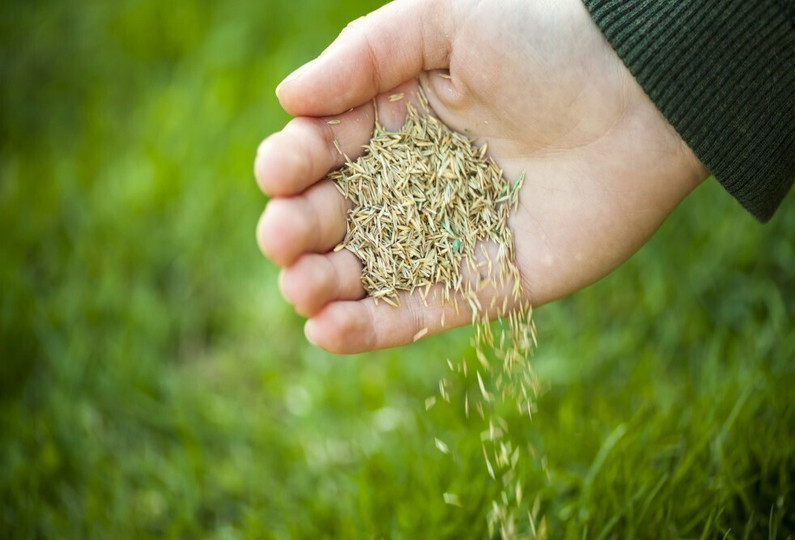
A successful lawn starts with good timing. Whether you are creating a new lawn, repairing worn patches or overseeding after renovation work, knowing when to sow grass seed in the UK can make a major difference to germination, establishment and long-term performance.
Find out the best time to sow grass seed in the UK, what conditions matter most, and how to care for new seed for stronger, healthier lawn establishment.
When’s the Best Time to Sow Grass Seed in the UK?
A healthy lawn starts with good timing. In the UK, the best time to sow grass seed is usually early autumn or mid-spring, when the soil is warm enough for germination, moisture levels are more reliable, and conditions give young grass the best chance to establish.
That said, grass seed can be sown at other times of year too, with more care and a bit more risk. The key is understanding what grass seed needs to grow, what job you are doing, and how weather and ground conditions affect success.
Just as importantly, good results do not come from timing alone. Choosing the right grass seed, preparing the ground properly, and using the right supporting products can all improve establishment and give you a stronger, healthier finish.
Quick answer: When is the best time to sow grass seed in the UK?
For most situations, September to early October is the ideal window. The soil is still warm after summer, there is often more natural moisture in the ground, and weeds are usually less aggressive than in spring.
A second good window is April to May, when temperatures rise and the growing season is beginning properly. Spring sowing works well, but it often requires more frequent watering and a closer eye on weed competition.
In simple terms:
- Best overall time to sow grass seed: early autumn
- Also very good: mid-spring
- Possible, with caution: summer
- Usually poor: winter
When is the best time of year to sow grass seed?
Grass seed can be sown in different seasons, but the chances of success vary significantly depending on temperature, moisture and weather patterns.
What conditions does grass seed need to grow?
Even at the right time of year, grass seed still needs the right conditions to germinate and establish well. Good timing only works when it is supported by suitable weather and a properly prepared seedbed.
TemperatureGrass seed needs warm enough soil to germinate. Air temperature can feel pleasant, but it is the soil temperature that matters most. Cool-season grasses commonly used in UK lawns germinate best when the soil has begun to warm in spring or still retains warmth in autumn. Use a fleece or germination sheets to increase ground temperatures and provide a moist atmosphere. Protection also keeps birds from eating the seed. If the soil is too cold, germination becomes slow, uneven or may not happen at all. |
 |
MoistureMoisture is critical. Seed needs to absorb water to start germinating, and the top layer of soil must stay consistently damp during establishment. Rainwater is usually the best option for getting grass seed to chit - another term for germinating. Too little moisture causes seed to dry out and fail. Too much water can wash seed away, compact the surface, or encourage rot. The aim is even, gentle moisture, not saturation. |
 |
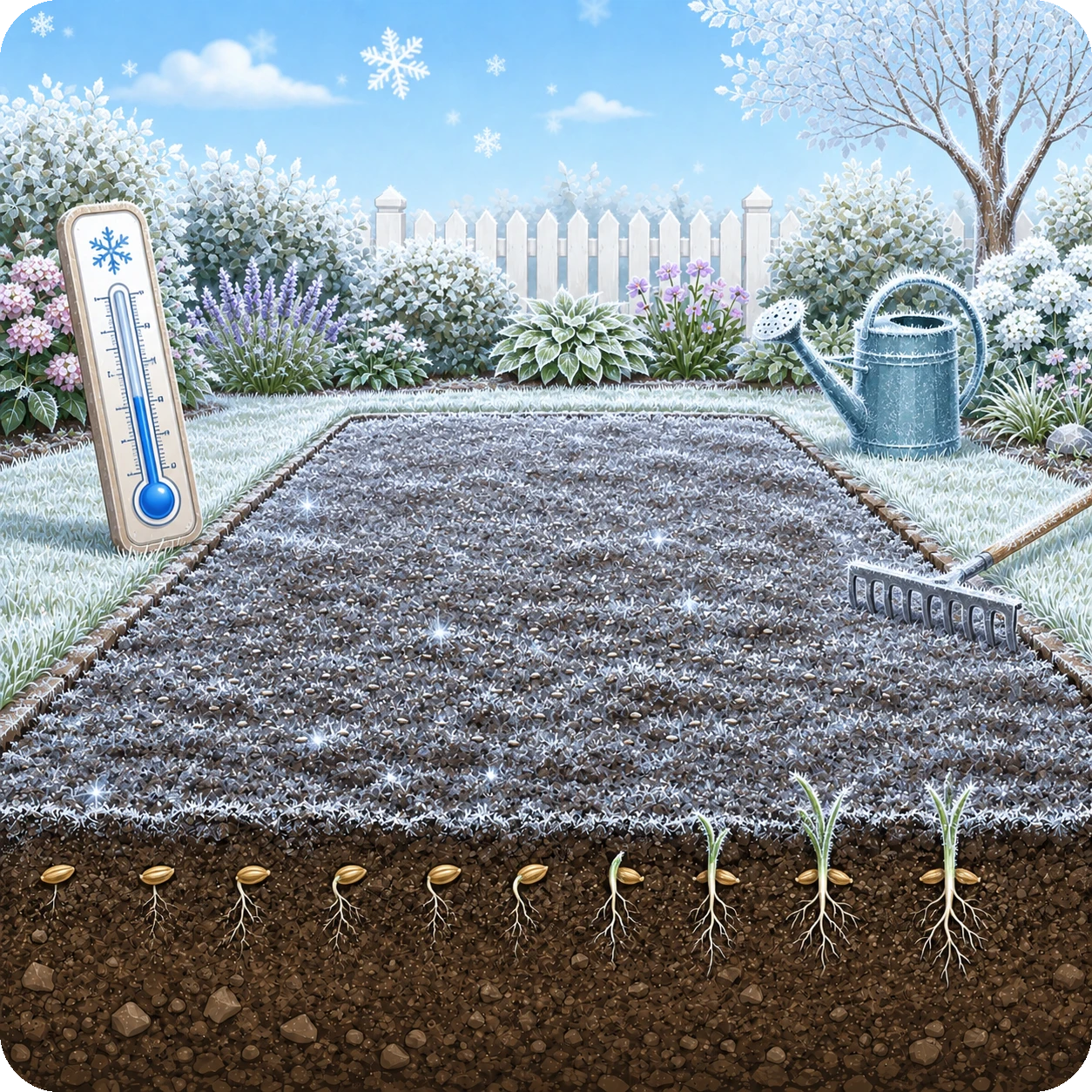
FrostFrost can stop progress and damage very young seedlings. A light chill after sowing may not always ruin a job, but repeated frosts or freezing ground make establishment unreliable. This is one reason late autumn and winter sowing are risky. |
 |
RainRain can help, but only if it is moderate. Steady rainfall supports germination and reduces the need for irrigation. Heavy rain can do the opposite by washing seed into low spots, creating patchy areas, or causing surface capping on fine soils. Good sowing conditions are often a mix of:
Ideal sowing conditionsGrass seed perform best when there is:
|
 |
When should you sow grass seed for different lawn jobs?
The best timing can vary slightly depending on the type of work being done.
New lawn seedingFor a new lawn, early autumn is usually the best option, with spring a strong alternative. A new lawn needs time to root properly and build density before facing heavy use, summer heat or winter stress. When laying a new lawn, you might also need to consider pre-seed fertilisers, topsoil or soil improvers, seed spreaders and starter lawn feed. |
 |
Overseeding an existing lawnOverseeding is best carried out in spring or autumn, when the existing sward is actively growing and new seedlings can integrate more successfully. Autumn is often preferred for overseeding because conditions tend to be more stable and weed competition is reduced. To get the best results, it can also help to use the right supporting products, such as scarifiers to prepare the surface, quality overseeding grass seed mixes, lawn fertiliser to encourage strong growth, and spreaders for even coverage. |
 |
Bare patch repairsSmall repairs can be made whenever conditions are suitable, but spring and autumn are usually the most reliable times for quick recovery. For best results, it’s worth using the right products alongside your repairs, such as patch repair seed mixes, top dressing to improve soil contact, hand spreaders for accurate application, and soil conditioners to support healthy regrowth. |
 |
Sowing after scarifyingScarifying and overseeding are often paired together as part of a lawn renovation programme. The best time to sow after scarifying is generally:
This allows the lawn to recover more quickly and fill in effectively. To support recovery and encourage strong, even growth, it’s helpful to use products such as overseeding seed, renovation fertiliser, top dressing to improve seed-to-soil contact, and lawn sand or surface improvement products to refine the finish. |
 |
Watering and aftercare after sowing grass seed
Once the seed is down, aftercare becomes one of the biggest factors in success.
When should you water new grass seed?
If the soil is dry, water immediately after sowing using a fine spray.
Then keep the seedbed consistently damp until germination is well underway. In most cases, that means:
- lighter watering
- more frequent applications
- avoiding runoff or puddling
Once seedlings begin to establish, watering can become less frequent but more thorough to support deeper rooting.
When can you walk on newly sown grass?
Try to keep foot traffic off the area until the grass has rooted properly.
Walking on newly seeded ground too early can:
- move seed
- compact the surface
- damage fragile seedlings
- create thin or worn areas
For best results, avoid regular use until the new grass has established and has been cut several times.
When should you mow new grass?
The first mow should only take place once the grass is established enough to be cut cleanly without being pulled from the ground.
For the first cut:
- mow on a dry day
- use a sharp blade
- take only a light trim
- avoid scalping the surface
After that, little-and-often mowing usually helps encourage denser growth.
Common mistakes when sowing grass seed
Poor lawn establishment is often caused by avoidable issues rather than the seed itself.
Sowing at the wrong time
One of the biggest mistakes is sowing without checking real conditions. A suitable month on the calendar does not guarantee suitable soil temperature or moisture.
Poor ground preparation
Grass seed needs good soil contact. Sowing over debris, thatch, moss or compacted ground often leads to weak or patchy results. Good soil contact also plays an important role in reducing common turf diseases, including Red Thread, Anthracnose and Fairy Rings.
A better approach is to:
- remove weeds and debris
- loosen the surface
- level the area
- create a fine, firm seedbed
- ensure strong seed-to-soil contact
Taking the time to prepare the ground thoroughly helps new grass establish more evenly, while also creating a healthier lawn that is less prone to disease.
Letting the seed dry out
Drying out during germination is one of the most common causes of failure.
Sowing unevenly
Patchy application leads to patchy growth. A consistent sowing rate is essential for an even finish.
Using the area too early
Even when seedlings appear quickly, they remain vulnerable. Too much traffic too soon can undo early progress.
How professionals approach grass seeding
Professional seeding is usually based on planning, surface preparation and long-term performance, not just the month of the year.
Sports turf
On sports surfaces, successful seeding relies on good cultural practices that promote strong, consistent turf growth. Alongside planning around fixtures and renovation windows, maintaining the right conditions is key to effective establishment and recovery.
This includes regular aeration to relieve compaction, appropriate mowing, balanced fertilisation, effective irrigation, and thatch management. Monitoring disease and insect pressures is also important, particularly under heavy use.
Combining these practices with targeted treatments, such as fungicides, insecticides or biological controls, helps prevent issues and maintain a resilient, high-quality playing surface.
Estates and amenity grounds
Estate managers and grounds teams often seed in phases, prioritising key areas based on presentation, use, drainage, shade and labour availability.
Landscaping projects
In landscaping, seeding must often fit into larger project timelines. That means balancing ideal sowing conditions with handover dates, irrigation access and client expectations.
The professional approach
Professional users typically focus on:
- selecting the best weather window
- preparing the ground thoroughly
- matching seed to the intended use
- managing moisture after sowing
- limiting traffic until establishment is secure
That is why successful seeding is usually the result of process and planning, not timing alone.
Final Thoughts
If you are asking when to sow grass seed in the UK, the answer for most situations is early autumn, with spring offering another strong opportunity.
The best results come from combining the right timing with the right conditions, good preparation and proper aftercare. Whether you are establishing a new lawn, repairing worn areas or carrying out seasonal renovation work, taking a planned approach will always improve the outcome.
Need help choosing the right grass seed, planning a lawn renovation or finding the right products for your seasonal work?
East Riding Horticulture supplies professional-quality grass seed and Turfcare products for landscaping, estates, turf and grounds maintenance across the UK. Contact our team for practical advice on the right timing, seed choice and aftercare for your project.