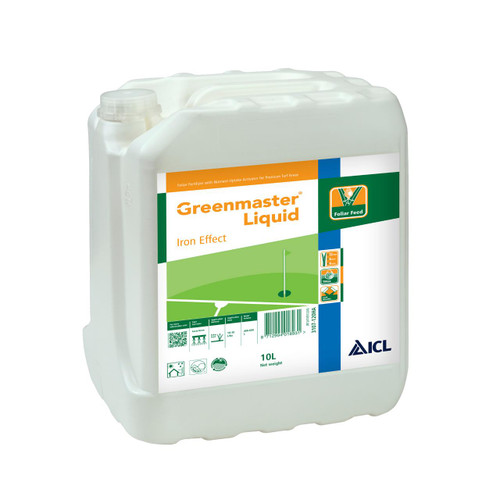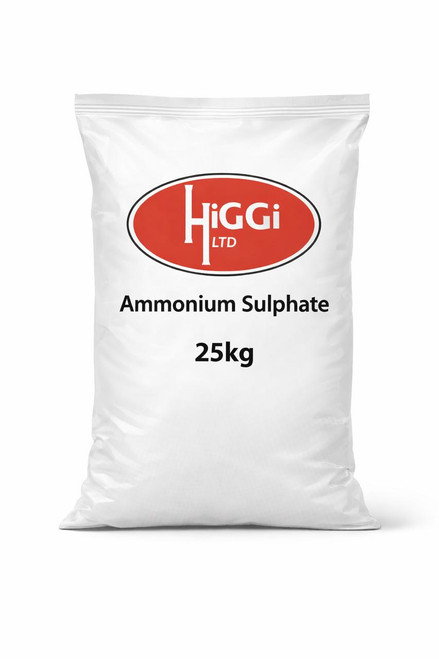
Can’t find what you’re looking for? We stock more than what’s available online, please give us a call on 01904 608157 or use the live chat and we’ll be happy to help.

Fertilisers & Plant Health

(Showing 24 of 132)

Our turf and horticultural fertilisers from brands like ICL will give you professional results – whether you’re looking to boost crop yield, improve growth, or strengthen resistance.

Trusted by commercial growers, landscapers, and serious gardeners, our premium fertilisers for grasses support targeted feeding schedules and long-term performance.

Clear labelling and product documentation helps you assess nutrient needs with confidence to plan feeding schedules and apply fertilisers with confidence.

If you'd like advice before ordering your fertilisers, our technical team is here to help. Nationwide delivery or collection from our East Yorkshire yard.

Show 24 36

Frequently Asked Questions

Got a question? If you don’t see your question here, please get in touch using our contact form

Granular, liquid and water-soluble fertilisers all provide plants with nutrients, but they are applied and absorbed in different ways. Granular fertilisers are dry, solid products that are usually spread over soil, beds, borders or turf. They often release nutrients gradually, making them a practical choice for feeding over a longer period. Liquid fertilisers are applied in liquid form, often by watering can, sprayer or through suitable application equipment. They can be useful when plants need a more immediate nutrient boost, as nutrients are generally available more quickly. Water-soluble fertilisers come as powders or granules that dissolve in water before application. These are commonly used where accurate feeding is important, as they allow nutrients to be mixed and applied in a controlled way. The right option depends on what you are feeding, how quickly the plants need support, and how you prefer to apply the product. Always check the product label for the correct dilution, rate and application method.

In the UK, the best time to fertilise most plants is during the active growing season, typically from spring through to early autumn. This is when plants are growing, using nutrients and able to respond most effectively to feeding. Spring feeding can help support strong early growth, while feeding through summer may help maintain plant health, flowering, fruiting or turf performance, depending on the product and plant type. In most cases, avoid applying fertiliser during very dry conditions, frost, waterlogging or when plants are under stress. Different plants, lawns and growing situations have different needs, so it is always worth checking the product label and choosing a fertiliser that matches the crop, soil conditions and time of year.

NPK refers to the three key nutrients found in many fertilisers: • N stands for nitrogen, which supports leafy growth and overall plant vigour. • P stands for phosphorus, which helps with root development and establishment. • K stands for potassium, which supports flowering, fruiting, resilience and general plant strength. You will usually see NPK shown as three numbers on a fertiliser label, such as 10-5-5. These numbers show the proportion of nitrogen, phosphorus and potassium in the product. A higher nitrogen fertiliser may be suited to leafy growth or lawns, while a higher potassium product may be chosen to support flowering, fruiting or plant resilience. The best NPK balance depends on the plant, season, soil condition and the result you want to achieve.

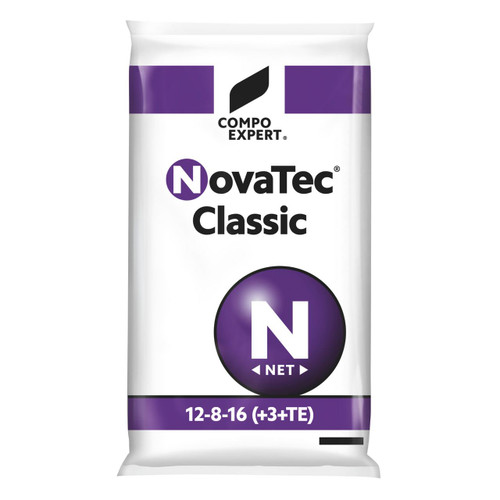
For general garden use, a balanced all-round fertiliser such as Fish, Blood & Bone or Growmore 7-7-7 is a good choice. They suit most garden situations, including borders, shrubs, vegetables and general soil improvement. Fish, Blood & Bone is a more traditional, organic-based option and is ideal where customers want steady feeding and soil support. Growmore 7-7-7 is a balanced NPK fertiliser, so it provides equal nitrogen, phosphate and potash, making it a reliable general-purpose feed. For customers wanting a professional or “level-up” option, I would suggest Floranid® Twin Permanent 16-7-15(+2MgO) or NovaTec. Floranid® Twin Permanent is a slow-release NPK fertiliser designed for landscaping, horticulture and turf use, with a balanced nutrient profile suitable for ornamentals, trees, shrubs and commercial horticulture. NovaTec products use a nitrification inhibitor technology to improve nitrogen efficiency and reduce nitrogen losses, making them a more advanced option for professional growing or higher-value planting.

In October, the best fertiliser to use is an autumn/winter fertiliser that is higher in potassium and phosphorus, rather than high in nitrogen. At this time of year, plants and lawns are not trying to produce lots of soft leafy growth, so you want to avoid a high-nitrogen spring/summer feed. The key nutrients are: Potassium; helps strengthen the plant, improve stress tolerance and support winter hardiness. Phosphorus; supports root development and helps plants establish before winter. For lawns, choose an autumn lawn fertiliser with low nitrogen and higher potassium. For general garden use, a fertiliser aimed at root strength, plant hardiness and autumn conditioning would be best.

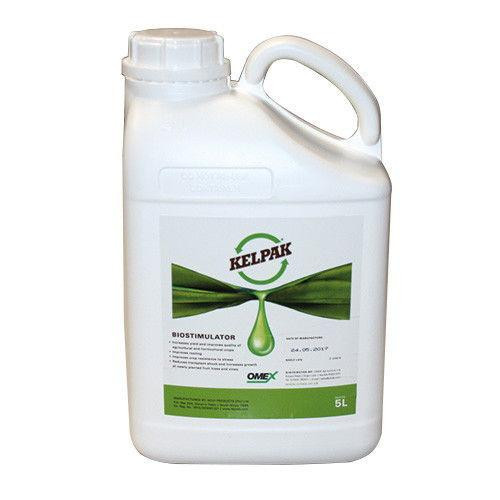
<p>For trees and shrubs, a slow-release fertiliser is usually best, as it supports steady growth throughout the season. <a href="https://eastridinghorticulture.co.uk/osmocote-topdress-ft-4-5m-22-5-6-2mgo-te-25-kg/">Osmocote Topdress</a> and <a href="https://eastridinghorticulture.co.uk/floranid-twin-permanent-16-7-15-2mgo-fertiliser-25-kg/">Floranid Twin Permanent </a>&nbsp;fertilisers are strong options for controlled feeding, while <a href="https://eastridinghorticulture.co.uk/fertilisers-plant-health/biostimulants-seaweed/seaweed-kelp-extracts/">seaweed</a> products can support general plant health and root development.</p>

The amount of fertiliser you need depends on the product, application rate and size of the area you are treating. Always check the product label before use, as granular, liquid and water-soluble fertilisers are applied at different rates.